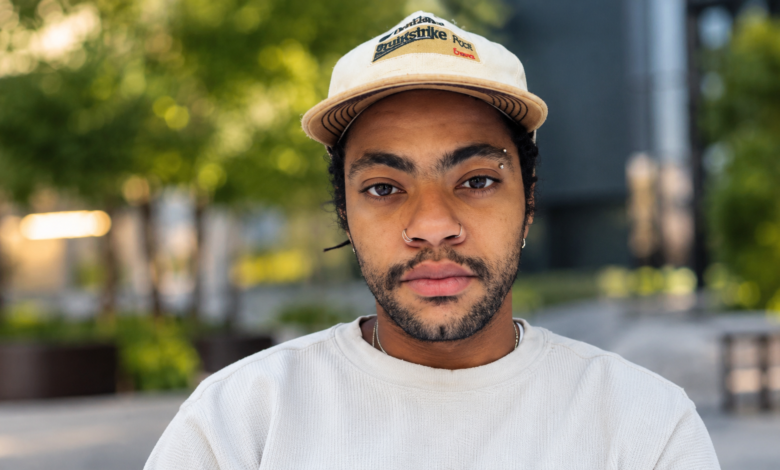
Izaak Theo Adu is known to the public primarily as the child of celebrated singer Sade Adu, whose distinctive voice and timeless music have earned her international recognition. Although his family background connects him to one of the most respected names in soul and smooth jazz, his personal story has attracted attention for reasons that extend beyond his mother’s musical legacy. His journey has also brought conversations about identity, personal growth, family relationships, and the importance of living authentically into the public eye.
Interest in Izaak Theo Adu reflects a broader curiosity about the people behind famous names. Readers want to understand his background, his relationship with Sade, and how he has approached life while maintaining a degree of privacy. However, a meaningful biography should distinguish documented information from online speculation, particularly when discussing someone’s personal experiences. This article explores the available biographical context, his family connections, his public journey, and the wider significance of his story without treating unverified claims as established facts.
Who Is Izaak Theo Adu?
Izaak Theo Adu is a British public figure best known for being the son of Sade Adu, the internationally acclaimed singer, and music producer Bob Morgan. His name became more widely recognized through media coverage of his personal journey, particularly his decision to speak publicly about his gender identity and his experiences during gender transition. Unlike many celebrity relatives who pursue careers in entertainment, he has not built a widely documented public profile around music, acting, or commercial celebrity. His story is therefore better understood through the events he has chosen to share than through assumptions about his private life.
Interest in Izaak Theo Adu also illustrates how the internet can transform a person’s visibility without making every aspect of that person’s life public. A single widely shared photograph, interview, or social media statement can generate years of search interest. Yet public recognition does not necessarily indicate a desire for continuous attention. In examining his biography, it is important to distinguish between his documented public experiences, his family’s established history, and the many details that remain private. That distinction makes the resulting account more accurate, respectful, and useful to readers.
Early Life and Childhood Background
Izaak Theo Adu was born in 1996 and spent his early life connected to a family whose background crosses music, culture, and international experience. His mother, Sade Adu, became famous through her work as a singer and songwriter, while his father, Bob Morgan, is known for his work in music production. Growing up in a family connected to the creative industries provides an important starting point for understanding why his name attracts public interest, although it does not establish what his childhood was like behind closed doors.
Reliable public information about his schooling, early friendships, daily routines, and childhood interests is limited. That absence should not be treated as a gap that must be filled with speculation. Celebrity families sometimes deliberately protect their children’s formative years from the press, allowing them to develop away from constant public scrutiny. In Izaak Theo Adu’s case, a responsible account can acknowledge his family background while avoiding invented stories about his upbringing, personality, education, or early ambitions.
Age and Birth Year
Izaak Theo Adu was born in 1996, making his age a straightforward calculation based on the current date and whether his birthday has passed in the present year. As of October 2026, he is either 29 or 30, depending on his birthday. Public reports from 2019 described him as 23, which is consistent with a birth year of 1996. This timeline helps readers reconcile information published at different points without relying on outdated biographical summaries.
Age-related searches are common when someone becomes known through a celebrity parent or a widely reported personal milestone. However, an accurate biography should distinguish confirmed birth-year information from less reliable claims about exact dates, childhood residences, or personal records. Izaak Theo Adu’s public identity does not depend on publishing every detail of his birth. His life story is more meaningfully understood through the documented milestones that he has chosen to share, particularly those concerning identity, family support, and his transition.
Family Roots and Cultural Background
Sade Adu’s family background connects Nigerian heritage with a life and career shaped largely in Britain. Born Helen Folasade Adu in Ibadan, Nigeria, Sade later became one of the most recognizable voices in British music. Her international career has linked her name with soul, jazz, quiet storm, and sophisticated pop. This cultural background forms part of the wider context surrounding her son, although family heritage alone cannot determine an individual’s beliefs, experiences, or personal identity.
For readers researching Izaak Theo Adu, cultural background is relevant because public figures are often discussed through simplified narratives about nationality or ethnicity. In reality, family history can encompass several countries, traditions, and social environments. A careful biography recognizes those connections without suggesting that a person must conform to a particular cultural expectation. The most useful perspective is that heritage can form part of someone’s background while leaving room for individual choices, personal development, and a life that does not need to be explained entirely through family origins.
Sade Adu: The Famous Mother Behind the Public Interest

Sade Adu
Sade Adu is an internationally acclaimed singer known for her understated vocal delivery, elegant musical arrangements, and enduring influence on contemporary soul and R&B. Her career has given her a distinctive place in popular music, and her reputation helps explain why readers search for information about members of her family.
Related topics: music career, family background, public privacy, artistic legacy.
Sade’s fame is central to understanding why Izaak Theo Adu became a subject of public curiosity, but her professional achievements and his personal story should not be confused. Sade’s recordings, concerts, and long career have generated an extensive public archive. Her son’s life has been covered much more selectively, especially when compared with the wealth of material available about her music. Consequently, much of the legitimate public interest in him comes from his relationship with his mother rather than from a separate entertainment career.
The distinction matters because a famous parent’s reputation can overshadow a family member’s independent identity. Readers may initially arrive looking for information about Sade, but a useful biography should move beyond a celebrity-family connection to explain the events that brought her son into public discussion. Izaak Theo Adu has become known for a personal story that includes resilience and family support. Those themes deserve attention on their own terms rather than being treated simply as another chapter in a singer’s biography.
Who Is Izaak Theo Adu’s Father?
Izaak Theo Adu’s father is Bob Morgan, a music producer associated with Sade’s personal history. Their relationship is part of the documented family background surrounding Izaak’s birth in 1996. Morgan is less publicly visible than Sade, and information about his private life is correspondingly limited. That difference in visibility should not be mistaken for evidence about the nature of his relationship with his son or his role in the family.
Public reporting about Izaak Theo Adu has sometimes referred to support from both parents and other family members. Such references are meaningful when they come from his own public statements, but they should not be expanded into unsupported claims about private conversations, family disagreements, or the exact details of his upbringing. A responsible account identifies his parents accurately, recognizes the limits of publicly available information, and avoids treating a person’s family relationships as material for sensational speculation.
The Role of Family in His Life
Family has featured prominently in the public account of Izaak Theo Adu’s transition, particularly through his expression of gratitude toward his mother. In September 2019, media outlets reported on a social media post in which he thanked Sade for standing beside him during a difficult period of medical recovery. The message offered a personal glimpse into a family relationship that had otherwise remained largely outside the public eye. It also helped shift coverage from celebrity curiosity toward a more human story about care and encouragement.
Family support can be especially important during demanding personal experiences, but each family’s circumstances are different. The public evidence in this case supports discussing the gratitude Izaak expressed, not inventing a comprehensive account of how every relative responded. Readers can recognize the significance of visible encouragement without assuming that every family member has the same experience or that every private interaction is known. That balanced interpretation preserves the emotional importance of his message while respecting the boundaries of what he actually shared.
Gender Identity and Public Recognition
One of the most significant reasons Izaak Theo Adu became widely known was his public identification as a transgender man. Reporting from 2016 onward documented his decision to share that aspect of his identity. His story attracted attention partly because of his mother’s international fame and partly because it offered a visible example of a person describing a deeply personal journey in his own terms. This public milestone is an important part of his biography, but it should not be treated as the sole definition of who he is.
Understanding his story requires a distinction between gender identity, public presentation, and medical care. Gender identity concerns a person’s internal understanding of their gender, while social transition and medical transition are separate matters that may or may not form part of an individual’s experience. In Izaak Theo Adu’s case, public reporting has described aspects of his transition that he discussed himself. Beyond those documented details, it is better to avoid making assumptions about his current health, private feelings, or medical circumstances.
Coming Out and Sharing His Identity
Reports from October 2016 describe Izaak Theo Adu coming out as transgender in connection with National Coming Out Day. The occasion gave wider visibility to his story and placed it within a broader conversation about identity, self-expression, and public acceptance. Coming out can be an important personal milestone, but the meaning of that experience differs from one person to another. For some, it involves relief and connection; for others, it may involve uncertainty, difficult conversations, or the challenge of deciding what to disclose.
The public record is most useful when it centers the individual’s own words rather than outside interpretations. Izaak’s decision to speak openly allowed audiences to learn about his identity from a person directly involved in the experience. It did not, however, grant the public unrestricted access to his private life. A respectful biography recognizes that disclosure is a choice made within particular circumstances, not a permanent obligation to explain every subsequent decision or answer every question raised by online attention.
Understanding His Transition Journey
Coverage of Izaak Theo Adu’s transition became particularly prominent in 2019, when he shared updates about the challenges associated with his medical recovery. Reports from outlets including TheGrio described him speaking candidly about the physical and emotional demands of the process. His posts gave readers a more direct view of an experience that is often discussed through headlines rather than through the perspectives of the people living it.
A transition journey can involve different combinations of social changes, hormone treatment, surgery, recovery, and ongoing personal adjustment. Not every transgender person pursues the same steps, and no single medical pathway defines the legitimacy of a person’s identity. In Izaak Theo Adu’s case, reports documented particular procedures and a period of recovery, but those accounts should not be used to draw conclusions about his current medical status. The relevant biographical point is that he publicly described a challenging period and acknowledged the importance of patience and support.
The 2019 Recovery Period
The summer of 2019 marked a particularly visible stage in Izaak Theo Adu’s public story. In July, he shared an account of the difficulties he was experiencing during recovery from surgery. According to Black America Web’s report published on July 29, 2019, his update described physical discomfort, emotional exhaustion, and the challenge of remaining patient throughout the process. The candid nature of his account helped readers understand that significant medical experiences can involve both determination and vulnerability.
The recovery period also demonstrated why timelines about personal medical experiences should be handled carefully. A report published during recovery represents a particular moment, not a permanent description of someone’s health. Izaak Theo Adu’s account expressed the difficulties he was facing then, along with optimism about the future. It would be inappropriate to assume that those same difficulties continue today or to speculate about additional procedures, treatments, or complications that he has not publicly discussed. Accurate biography records the event without turning it into ongoing medical commentary.
A Public Message of Gratitude to Sade Adu
In September 2019, Izaak Theo Adu shared a photograph with his mother and expressed gratitude for her support. The message became one of the most widely reported moments in their public family story. Coverage by Out magazine described his return home following a lengthy period of recovery and highlighted his appreciation for his mother’s encouragement. The photograph and message offered an unusually direct look at the relationship between two people whose lives had otherwise been discussed largely through celebrity reporting.
His message included the words, “Thank you for staying by my side these past 6 months Mumma,” as reported by Out in September 2019. The quotation conveys the central meaning of the post without requiring assumptions about private family conversations. It shows that he wanted to acknowledge the practical and emotional significance of his mother’s presence during a challenging period. For readers, this moment helps explain why family support became such a central theme in coverage of Izaak Theo Adu.
What His Relationship With Sade Reveals
The publicly documented relationship between Izaak Theo Adu and Sade offers a reminder that family relationships can be meaningful even when the people involved prefer privacy. Sade has historically maintained a relatively low public profile outside her musical work, and her son has not routinely provided extensive updates about their relationship. The 2019 message therefore stood out because it was personal, direct, and centered on gratitude rather than publicity. It offered a limited but meaningful glimpse of mutual affection during an important moment.
It is important, however, not to turn one public message into a complete assessment of a family’s history. Relationships evolve, and no photograph or social media caption can describe every aspect of a parent-child bond. The strongest conclusion supported by Izaak’s own words is that he appreciated his mother’s support during that particular period. This is more credible than claims that attempt to reconstruct their entire private relationship. It also preserves the distinction between the documented experiences of Izaak Theo Adu and the broader assumptions sometimes attached to famous families.
How His Story Connects With Sade’s Music Legacy
Sade’s music is known for its emotional restraint, expressive vocals, and themes of love, longing, vulnerability, and connection. Albums such as Diamond Life, Promise, and Love Deluxe helped establish her as an enduring figure in international popular music. Her artistic reputation creates a distinctive context for interest in her family, but her son’s life should not be interpreted as an extension of her musical themes. He has his own experiences, relationships, and priorities, which need not correspond to the artistic identity associated with his mother.
The connection is most relevant from a cultural and biographical perspective. Sade’s long career has made her name recognizable across generations, so searches related to her family are likely to attract people who already know her music. That audience may initially seek basic facts, then discover that Izaak Theo Adu’s public story involves identity, resilience, and a personal milestone rather than an entertainment career. A well-structured article can accommodate both interests without reducing his life to a footnote in a musician’s biography.
Does Izaak Theo Adu Work in the Music Industry?
Izaak Theo Adu’s connection to a well-known singer and a music producer naturally raises questions about whether he has followed a similar professional path. However, there is no sufficiently established public record to describe him as a major recording artist, touring musician, or prominent music-industry executive. Family connections can create opportunities for exposure, but they do not automatically determine an individual’s profession. In this case, the most reliable public information concerns his personal journey rather than a documented catalogue of commercial music releases or professional credits.
A responsible biography should resist the temptation to invent a career simply because a person’s parents are associated with music. It is possible to acknowledge the creative environment surrounding his family while remaining clear about the limits of available evidence. Izaak Theo Adu may have interests and activities that he chooses not to publicize, and the absence of widely reported professional credits does not mean he lacks ambitions or accomplishments. It means only that a detailed public career history cannot be established from the available reporting.
Career, Education, and Personal Ambitions
Information about Izaak Theo Adu’s formal education, academic qualifications, and professional ambitions remains limited in widely available reporting. Unlike public figures whose careers depend on interviews, performances, or regular press appearances, he has not maintained a highly visible professional profile that would support a detailed career timeline. For readers, this means that the most accurate account should focus on verifiable public milestones rather than fill the gaps with assumptions about university attendance, employment, creative projects, or future plans.
This distinction is particularly important in online biographies, where repetition can make an unsupported claim appear authoritative. A website may repeat another site’s statement without independently verifying it, creating the impression that multiple sources confirm the same detail. For Izaak Theo Adu, reliable writing should identify what is known, explain what remains unconfirmed, and avoid assigning professional achievements without evidence. That approach provides readers with a more useful account than a longer but speculative list of occupations, qualifications, or ambitions.
Public Presence and Social Media
Social media played an important role in how Izaak Theo Adu’s story reached a wider audience. His publicly shared updates allowed him to communicate his experience directly, rather than relying exclusively on entertainment journalists to describe it. The posts discussed in 2019 were widely reported because they combined a personal account of recovery with an expression of gratitude toward family members. In that sense, social media served as a means of personal communication that also became a source for news coverage.
A public post does not necessarily indicate that someone wants to become a full-time public personality. People may share a specific event because they want to acknowledge support, celebrate a milestone, or connect with others who have faced similar circumstances. They can also decide later to share less. In Izaak Theo Adu’s case, historical posts should be understood in the context in which they appeared rather than as evidence of his current posting habits, present location, or private activities. Current social media details should be verified directly before being presented as fact.
Privacy and Life Outside the Spotlight
Privacy is a central theme in understanding Izaak Theo Adu’s public profile. Although he is related to an internationally recognized singer, he has not made every aspect of his life available for public examination. This creates a natural limit on what a responsible biography can cover. His personal journey is documented through particular public statements and media reports, while details about daily routines, close friendships, residence, and many private decisions remain outside the reliable public record.
The distinction between public interest and personal privacy is especially important when someone becomes recognizable through a sensitive personal experience. A person can choose to speak about one part of life without agreeing to ongoing commentary about every other part. For Izaak Theo Adu, the respectful approach is to discuss the experiences he has publicly acknowledged while leaving unrelated private matters alone. Doing so does not weaken a biography; it strengthens its credibility by making clear which facts are established and which details are not appropriate to infer.
Media Coverage and Public Perception
Media coverage has shaped how audiences understand Izaak Theo Adu, particularly because many reports have focused on a small number of highly visible milestones. Headlines about his transition, medical recovery, and mother’s support helped make his name searchable, but they also risk reducing a complex person to one defining event. The pattern is common in celebrity journalism: a story receives extensive attention during a major moment, followed by years of search traffic even when the subject’s public activities are limited.
A more complete approach examines why those stories attracted attention without repeating sensational language. Izaak Theo Adu’s story intersects with celebrity culture, LGBTQ+ visibility, family relationships, and the public’s appetite for personal narratives. Those subjects help explain the media response, but they do not justify exaggerating the events or making unsupported claims. Readers benefit most when articles distinguish original statements from secondary reporting, avoid presenting speculation as news, and preserve the subject’s dignity even when discussing topics that generate strong public reactions.
Why People Search for Izaak Theo Adu
Search interest in Izaak Theo Adu often begins with a simple question about his connection to Sade. Once readers discover that he is her son, they may look for his age, parents, family background, and biography. Other readers arrive through articles about his transition and the public message he shared with his mother in 2019. These search paths reveal several related information needs, making it useful for a biography to answer basic factual questions before exploring broader cultural and personal context.
Search behavior can also be influenced by curiosity about famous families and the tendency of online platforms to recommend related stories. A reader looking for Sade’s personal history may encounter a headline about her son, then seek a more complete account. The result is a connected network of search terms involving parentage, childhood, identity, medical recovery, and public appearances. A high-quality article about Izaak Theo Adu should respond to those queries naturally, rather than repeat the same name in every sentence or create unsupported claims merely to capture additional searches.
Common Misconceptions About His Biography
One common misconception is that being the child of a famous artist means a person must pursue a similar career. Izaak Theo Adu’s family background is well established, but that does not make him a professional singer or imply that he intends to enter the entertainment industry. Another misconception is that a few widely reported milestones provide a complete picture of someone’s life. In reality, the public record is selective, and many aspects of a private person’s experience may never become news.
A second misconception concerns the relationship between public disclosure and personal privacy. Because Izaak shared information about his identity and medical recovery, some readers may assume that every related detail is suitable for public discussion. That conclusion does not follow. Sharing one experience is not blanket consent to scrutiny of every future decision, medical record, relationship, or private circumstance. A careful biography recognizes the information he chose to disclose and avoids treating curiosity as a substitute for evidence.
Izaak Theo Adu and LGBTQ+ Visibility
Izaak Theo Adu’s public story has contributed to conversations about transgender visibility because it presented a personal experience through a recognizable family connection. Visibility can help readers understand that transgender people exist across many social and professional backgrounds, including families associated with international fame. At the same time, one person’s story cannot represent every transgender experience. People differ in their relationships, financial circumstances, access to healthcare, social environments, and decisions about whether to share their identities publicly.
A balanced discussion of visibility therefore considers both the benefits and the limitations of public attention. Personal accounts can make unfamiliar experiences easier to understand, challenge stereotypes, and provide a sense of recognition for people facing similar questions. Yet visibility can also expose individuals to intrusive commentary, inaccurate reporting, or hostile reactions. Izaak Theo Adu’s public disclosures are best understood as his own account, not a template that others must follow. His experience can inform a wider discussion without being used to define an entire community.
Understanding Gender Transition Without Stereotypes
Gender transition is not a single standardized procedure. For some people, it may involve a social transition, such as using a different name or pronouns. Others may choose hormone therapy, surgery, or other forms of healthcare. Some pursue several steps, while others pursue none. These differences reflect individual needs, preferences, health considerations, and access to care. A person’s gender identity is not made more or less valid by the particular steps they take.
In discussing Izaak Theo Adu, it is important to use the information he made public without implying that his experience is universal. Reports described medical procedures and recovery, but they do not establish that every transgender man follows the same path. They also do not justify assumptions about a person’s anatomy, reproductive capacity, relationships, or future medical decisions. The clearest account explains the relevant facts, uses respectful terminology, and leaves individual medical details outside the discussion unless they are both publicly documented and genuinely relevant.
The Importance of Support During Difficult Experiences
The public account of Izaak Theo Adu’s recovery highlights a broader point about the value of support during challenging experiences. In his 2019 message, he explicitly acknowledged the encouragement and care he received from his mother. Support may take practical forms, such as helping someone attend appointments or recover at home, and emotional forms, such as listening, offering reassurance, and respecting the person’s decisions. The exact needs differ from one situation to another, but feeling supported can make a difficult period less isolating.
His account also illustrates why support should not be reduced to a public performance. Not every caring relationship is visible online, and not every person wants to describe private assistance in public. For families navigating significant personal changes, the most useful approach is often to listen carefully, avoid imposing assumptions, and ask what kind of help is wanted. The story of Izaak Theo Adu provides a public example of gratitude, while the wider lesson remains applicable to many kinds of family relationships and personal challenges.
Resilience, Patience, and Personal Growth
Resilience is a useful theme in discussing Izaak Theo Adu because his public posts described a demanding period while also expressing hope for the future. Resilience does not mean that someone feels strong at every moment or experiences hardship without fear. It can mean continuing through an uncertain period, asking for help, allowing time for recovery, and keeping attention on the life one hopes to build. His comments about the difficulty of the process and the need for patience reflected that combination of vulnerability and determination.
Personal growth also rarely follows a perfectly predictable timetable. Significant life changes can involve practical adjustments, emotional reflection, and periods when progress feels slow. An individual’s experience may include both confidence and frustration, sometimes within the same day. Izaak Theo Adu’s publicly described recovery provides a limited example of those realities, but the broader lesson should not be turned into a claim about his private emotional state today. A thoughtful biography can explore the significance of perseverance while recognizing that every person’s path remains individual.
Public Interest Versus Sensationalism
Stories involving celebrity families often attract attention because they combine recognizable names with personal experiences that readers may find unfamiliar. The challenge for publishers is to meet that interest without turning private events into sensational entertainment. In Izaak Theo Adu’s case, headlines about his transition sometimes framed the story around shock or novelty rather than his own perspective. More thoughtful coverage can retain the important facts while shifting the focus toward his agency, family support, and the context of the events he chose to share.
Sensationalism can also distort a person’s biography over time. A headline written to attract clicks may be copied by other websites, stripped of its original context, and eventually repeated as though it were a comprehensive account. Readers may then encounter the same claim in several places without realizing that the sites are relying on a single source. The better approach is to examine the original reporting, check dates, and distinguish direct statements from editorial interpretation. This makes an article about Izaak Theo Adu more trustworthy and helps readers understand what is actually documented.
How to Evaluate Information About Him Online
Researching a public figure whose life is only partly documented requires more than collecting search snippets. A useful first step is to identify the original source of each major claim. If a news report describes a social media post, the report should ideally provide the date, relevant context, and the subject’s own words. If another website repeats the same information, that repetition should not automatically be treated as independent confirmation. Source quality matters more than the number of websites making an identical statement.
Readers researching Izaak Theo Adu should also check publication dates and be cautious with pages that present old updates as current news. A report from 2019 can accurately describe an event that occurred in 2019 without providing any information about a person’s circumstances in 2026. Similarly, an article that includes a family photograph may establish that the people appeared together on a particular occasion, but it cannot prove everything about their relationship. These simple checks help separate useful biographical evidence from unsupported online claims.
The Difference Between a Biography and a Rumor
A biography aims to establish a coherent account of a person’s life using verifiable information. It may include birth-year information, family relationships, significant public milestones, professional achievements, and relevant context. A rumor, by contrast, may begin with an ambiguous observation or an unsourced claim and spread through repetition. The difference is not simply how confidently a sentence is written. It depends on whether the statement has a reliable evidentiary basis and whether the wording accurately reflects what that evidence supports.
For Izaak Theo Adu, a credible biography should prioritize the family relationships reported by established outlets, his public statements about his transition, and the documented messages of appreciation shared in 2019. It should not invent a net worth, assign an occupation without evidence, or provide a speculative account of his present whereabouts. Nor should it make predictions about future medical decisions or relationships. A well-researched article can be detailed and engaging while acknowledging uncertainty, because transparency is an essential part of factual authority.
How His Story Fits Into Modern Celebrity Culture
Celebrity culture has changed considerably with the growth of social platforms and online publishing. In earlier eras, a famous person’s family might appear in a small number of magazine profiles or occasional newspaper reports. Today, a single personal post can circulate across entertainment websites, search engines, and social networks within hours. The resulting attention may continue long after the original event, creating persistent interest in people who do not necessarily seek an ongoing public career.
Izaak Theo Adu’s experience reflects this shift. His story reached a broad audience through his own updates and reporting by outlets that covered his transition and his mother’s support. Once those articles became part of the online record, search interest could continue independently of any new public statement. This explains why readers may still seek a biography years after the events that first brought him attention. It also reinforces the importance of updating articles carefully, separating historical milestones from current developments, and avoiding the suggestion that old news is newly confirmed.
What Makes His Story Distinct?
The distinctiveness of Izaak Theo Adu’s public story comes from the intersection of several themes: a famous family, a personal identity journey, medical recovery, and a visible expression of gratitude. None of these themes alone explains the level of interest in his name. Together, they create a biography that attracts readers from different starting points. Some are interested in Sade’s family, others in transgender representation, and still others in the role that family support can play during major life experiences.
Yet what makes a biography distinctive should not be confused with permission to embellish it. The strongest account is one that connects documented events to their wider significance without inventing missing chapters. Izaak Theo Adu’s story does not need an unverified entertainment career or speculative personal history to be meaningful. The available facts provide enough context to discuss family, identity, privacy, and public representation. Treating those facts with care produces a richer account than sensational claims that promise more information than the evidence can support.
Biographical Timeline and Key Milestones
The following timeline brings together major points reported in public sources. It distinguishes broader biographical context from the particular events that received substantial media attention. Dates associated with personal milestones are included because they help readers understand how coverage developed, not because every aspect of Izaak Theo Adu’s life is publicly documented.
| Period | Documented milestone | Why it matters |
|---|---|---|
| 1996 | Born into the family of Sade Adu and Bob Morgan | Establishes his family background and birth year |
| 2016 | Publicly came out as a transgender man, according to contemporary reporting | Marks a significant point in his public biography |
| July 2019 | Shared an update about the challenges of recovery from surgery | Offered a personal account of a difficult experience |
| September 2019 | Thanked his mother publicly for her support | Brought family encouragement into the public conversation |
| 2020–2026 | Public information remains comparatively limited in the sources discussed here | Highlights the importance of avoiding unsupported claims about his current life |
The timeline is deliberately selective. It does not attempt to list every private event, and the absence of a milestone should not be interpreted as evidence that nothing significant happened during that period. The available reporting is concentrated around a few publicly shared experiences. For Izaak Theo Adu, this makes a timeline useful as a guide to the documented record, but not a substitute for a complete account of his private life. Readers should also remember that the latest event included here is not necessarily the latest event in his life.
Izaak Theo Adu Compared With Other Celebrity Children
Celebrity children can develop very different relationships with public attention. Some pursue careers in film, music, fashion, business, or social media, while others choose professions and lifestyles that receive little coverage. A famous parent may increase name recognition, but it does not determine a child’s career, ambitions, or willingness to engage with the press. The contrast is particularly useful when considering Izaak Theo Adu, whose public profile is connected more closely to a personal story than to a documented commercial entertainment career.
The following comparison illustrates broad patterns rather than making claims about the private lives of particular individuals. It shows why a celebrity family connection should be treated as context, not as a complete explanation of someone’s identity or accomplishments.
| Dimension | Celebrity children with public careers | Celebrity children who maintain privacy | Izaak Theo Adu’s documented public profile |
|---|---|---|---|
| Main source of recognition | Professional work and public appearances | Family association or occasional reporting | Family connection and personal milestones |
| Public information | Often extensive and career-focused | Usually limited | Concentrated around selected public statements |
| Media attention | May follow professional projects | May rise during family-related news | Rose notably during reporting about his transition |
| Career assumptions | Can be supported by public credits | Often difficult to establish | No major entertainment career is established by the sources discussed |
| Privacy considerations | Depends on individual choices | Often a defining boundary | Important because much of his life remains private |
This comparison shows why a biography should be tailored to the available evidence rather than built from a generic celebrity-child template. A person whose public recognition comes from a personal milestone needs a different kind of profile from someone with albums, films, or a business portfolio. For Izaak Theo Adu, the most informative approach is to explain his family background, discuss his documented public experiences, and acknowledge the limits of available information. That method is more accurate than forcing his life into a professional-celebrity narrative that the evidence does not support.
What Readers Can Learn From His Public Story
One important lesson from Izaak Theo Adu’s story is that public visibility does not erase a person’s individuality. People may become recognizable because of a family connection, a personal decision, or a moment that attracts media attention. None of those circumstances gives outsiders a complete understanding of the person. His experience encourages readers to distinguish between what someone has openly shared and the many other dimensions of life that remain personal, complicated, and not necessarily available for public interpretation.
Another lesson concerns the value of listening to first-person accounts. When individuals describe their own experiences, their words can provide context that a headline alone cannot capture. This does not mean every personal statement answers every question or should be treated as a complete medical or biographical record. It means that direct testimony deserves to be represented fairly and in context. In the case of Izaak Theo Adu, his public expressions about recovery and gratitude provide a stronger foundation for understanding his story than speculation about his motives or assumptions about his family.
Why Respectful Language Matters in His Biography
Language shapes how readers interpret personal histories, particularly when a biography discusses gender identity. Respectful writing uses the name and pronouns a person uses for himself and avoids framing identity as a spectacle. It also distinguishes gender identity from sexual orientation, since these are different concepts. A person’s gender identity concerns their understanding of their gender, while sexual orientation concerns patterns of attraction. Conflating them creates confusion and can lead to inaccurate reporting.
For Izaak Theo Adu, respectful language also means avoiding unnecessary references to earlier names or descriptions that do not contribute to the reader’s understanding. Where historical reporting uses different terminology, an article can explain the context without repeating outdated or stigmatizing language unnecessarily. The aim is not to remove relevant history but to present it accurately and humanely. Readers should come away with a clearer understanding of the documented events, not a sensationalized account that places more emphasis on terminology than on the person and his experiences.
The Limits of Publicly Available Information
A recurring challenge in researching Izaak Theo Adu is the difference between being well known by association and having a comprehensive public biography. Sade’s career is extensively documented through interviews, reviews, recordings, and concert history. Her son’s public record is much narrower. This imbalance means that certain questions—such as his exact current occupation, recent projects, education, or present-day routines—cannot be answered confidently from the sources discussed here.
The correct response to limited information is not to fill the gaps with guesses. A biographical article can explain why a detail remains unconfirmed, identify the sources that support the known facts, and direct attention toward the most meaningful documented milestones. It should also avoid presenting the lack of new coverage as proof of a particular lifestyle or personal choice. For Izaak Theo Adu, limited public reporting is simply a boundary on what can responsibly be stated. That boundary protects accuracy and respects his right to live beyond the reach of constant public scrutiny.
Frequently Asked Questions About Izaak Theo Adu
Who is Izaak Theo Adu?
Izaak Theo Adu is the son of internationally acclaimed singer Sade Adu and music producer Bob Morgan. He became more widely known after publicly discussing his gender identity and transition, as well as expressing gratitude for his mother’s support.
How old is Izaak Theo Adu?
Izaak Theo Adu was born in 1996. As of October 2026, he is 29 or 30 years old, depending on his birthday. Contemporary reporting in 2019 described him as 23.
Who is Izaak Theo Adu’s mother?
His mother is Sade Adu, the British-Nigerian singer and songwriter famous for songs such as “Smooth Operator” and “The Sweetest Taboo.” Her international music career has contributed significantly to public interest in her family.
Who is Izaak Theo Adu’s father?
His father is Bob Morgan, a music producer associated with Sade’s personal history. Public information about Morgan’s private life is limited, so detailed claims about his family relationships should be treated cautiously.
Is Izaak Theo Adu transgender?
Yes. Public reporting from 2016 identified Izaak Theo Adu as a transgender man. He subsequently discussed aspects of his transition publicly, including the difficulties associated with medical recovery in 2019.
Did Sade Adu support her son’s transition?
In September 2019, Izaak Theo Adu publicly thanked his mother for supporting him during his transition and recovery. His message is direct evidence of the gratitude he expressed for her presence and encouragement during that period.
What happened during Izaak Theo Adu’s recovery in 2019?
In July 2019, Izaak Theo Adu shared an update describing the physical and emotional challenges he was experiencing during recovery from surgery. Later that year, he expressed gratitude to his mother after returning home following an extended recovery period.
Does Izaak Theo Adu have a music career?
The sources discussed in this biography do not establish a prominent independent music career for Izaak Theo Adu. His public recognition primarily relates to his family background and his personal story, rather than a widely documented catalogue of professional music releases.
What is known about Izaak Theo Adu’s education?
Reliable public information about his formal education and academic qualifications is limited. Without dependable sources, it would be inappropriate to assign him a particular school, university, degree, or educational achievement.
Is Izaak Theo Adu active on social media?
His social media posts were reported widely in 2019, particularly those concerning his recovery and his appreciation for his mother. His current account activity cannot be established from those historical reports alone, so present-day profiles should be verified before being treated as authentic.
What is Izaak Theo Adu known for besides being Sade’s son?
Beyond his family connection, Izaak Theo Adu is known for publicly sharing aspects of his experience as a transgender man. His account of recovery and his acknowledgment of family support contributed to discussions about identity, resilience, and acceptance.
Why is Izaak Theo Adu still a popular search term?
Interest in Izaak Theo Adu is linked to Sade’s enduring fame, curiosity about celebrity families, and media coverage of his transition in 2016 and 2019. Search interest can persist long after a major news event, even when a person maintains a relatively private life.
The Importance of Separating Fact From Speculation
Online biographies can become unreliable when they blend verified information with claims that have no clear source. This is particularly common when a person has a famous parent but does not regularly give interviews or appear in public. Writers may feel pressure to provide details about every stage of a person’s life, including education, work, relationships, income, and residence. However, a detailed page is not automatically a well-researched page. Each factual statement should have a reasonable evidentiary basis, and uncertainty should be acknowledged rather than concealed.
For Izaak Theo Adu, the strongest biographical foundation consists of his parentage, his publicly reported identity journey, and the statements he shared about medical recovery and family support. Other claims require independent confirmation before they can be included confidently. This is especially important when search results reproduce old articles or repeat information from entertainment blogs without identifying the original source. Readers deserve a distinction between established facts and plausible-sounding guesses. That distinction helps protect the subject’s privacy while also improving the credibility of any article published about him.
How to Write Responsibly About a Private Public Figure
A private public figure occupies a position between complete anonymity and continuous celebrity visibility. Such a person may be recognized because of a family relationship or a particular news event while maintaining a life that is not routinely documented. The challenge for biographical writing is to explain why the person matters to readers without implying that public recognition makes every personal detail available for publication. A thoughtful article should focus on the events that explain the person’s public relevance and avoid unnecessary disclosure of unrelated information.
The biography of Izaak Theo Adu benefits from this approach because the most significant available details concern experiences he discussed openly. A writer can explore the historical context of his transition, the public message of gratitude he shared, and the role of family support without speculating about private relationships or present-day activities. This creates a clear narrative that respects the person while still answering readers’ questions. It also avoids a common editorial mistake: confusing the number of words on a page with the amount of verified knowledge the page actually contains.
The Role of First-Person Accounts in Biography
First-person accounts can be particularly valuable when reporting on personal experiences that outsiders cannot fully observe. A person’s own words may clarify what an event meant to them, what challenges they wanted to acknowledge, or whom they wished to thank. In the case of Izaak Theo Adu, his 2019 posts provided direct insight into his experience of recovery and his appreciation for his mother. Those statements offer a stronger foundation for understanding the significance of that period than a headline written primarily to attract attention.
Nevertheless, a first-person account should be represented within its original context. A post describing a difficult week does not necessarily describe an entire year, and a message thanking one family member does not provide a complete history of every relationship. Responsible reporting quotes only what is necessary, attributes the statement to the appropriate source, and avoids adding motives that the speaker did not express. When handled carefully, first-person material makes a biography more vivid without sacrificing accuracy. It allows Izaak Theo Adu’s own perspective to remain central rather than being replaced by assumptions from outside observers.
Why His Story Should Not Be Reduced to a Headline
Headlines are designed to communicate a story quickly, often in a limited number of words. That format can be useful, but it can also flatten a complicated personal experience into a single defining label. When coverage focuses exclusively on a medical procedure or a celebrity parent’s reaction, readers may miss the wider context of a person’s life. The headline becomes the story, even though the underlying reporting may contain a more nuanced account of identity, recovery, and family relationships.
A fuller biography of Izaak Theo Adu should resist that reduction. His public story includes his family background, his decision to speak about his identity, the challenges he described during recovery, and his appreciation for support. Each of these elements contributes to a broader understanding of the person and the public attention surrounding him. None should be used to suggest that a single event explains his entire life. The more useful question is not simply what made his name newsworthy, but what the documented events reveal about his experience and why they resonated with readers.
Family Support as a Broader Human Theme
Although the details of Izaak Theo Adu’s experience are personal, the theme of family support has broader relevance. Major life changes can involve uncertainty, practical challenges, and the need for trusted people who are willing to listen. Support does not require a family to have every answer or agree on every question immediately. It can begin with a willingness to understand another person’s perspective and offer care without making that care conditional on the person meeting particular expectations.
The public gratitude Izaak expressed toward his mother illustrates the significance he attached to her presence during recovery. It should not be treated as a universal prescription for every family or as proof that all family relationships follow the same pattern. Instead, it offers a concrete example of someone acknowledging help during a demanding period. The wider lesson is simple: when people choose to share difficult experiences, listening with empathy can be more valuable than rushing to judge, speculate, or demand further details. That principle applies far beyond celebrity families.
Personal Identity and the Right to Define Oneself
Personal identity is shaped by many dimensions, including gender, culture, family, relationships, interests, and individual experiences. A person’s public identity may emphasize one aspect because that is the subject of a particular news story, but it rarely captures the whole person. This is especially relevant when media attention centers on a significant personal disclosure. The event may become the main way audiences recognize the individual, even though the individual continues to have a wider life that is not represented in the coverage.
Izaak Theo Adu’s public story demonstrates why it is important to allow people to describe themselves in their own terms. His decision to identify publicly as a transgender man provided information he chose to share, but it did not make him responsible for explaining transgender identity to every reader. Nor does it make his experience representative of everyone with a similar identity. A respectful account can explain relevant terminology, identify the historical milestones, and provide context while leaving space for individuality. This approach supports both accurate biography and a more thoughtful public conversation about identity.
The Enduring Interest in Celebrity Family Histories
Celebrity family histories remain popular because they connect public achievements with the relationships and backgrounds that audiences rarely see. Fans may know a singer’s songs by heart but know relatively little about the singer’s family. Learning about family members can offer additional context, although it can also create a temptation to treat private lives as extensions of a public career. The most responsible articles recognize that the public’s interest in a family is understandable while maintaining clear boundaries around what can be established.
In the case of Izaak Theo Adu, his relationship with Sade creates an obvious connection for readers who follow her music. Yet his biography has its own narrative focus, including his public statements and the support he acknowledged during his transition. This explains why a useful article should not spend all its space repeating Sade’s musical achievements or treating her son solely as an extension of her reputation. A balanced account uses the family connection to establish context, then focuses on the documented experiences that make his own story relevant.
Conclusion: The Life and Story of Izaak Theo Adu
Izaak Theo Adu’s biography brings together family heritage, public recognition, personal identity, and the importance of support during challenging experiences. As the son of Sade Adu and Bob Morgan, he has a connection to a family with an established place in music history. However, the public interest in his life extends beyond that connection. His decision to speak about his identity, his account of medical recovery in 2019, and his expression of gratitude toward his mother have become the most clearly documented milestones in his public story. Together, these events provide meaningful insight without requiring speculation about the parts of his life he has kept private.
Ultimately, understanding Izaak Theo Adu means recognizing both what is known and what remains outside the public record. His story offers an opportunity to consider how celebrity culture shapes attention, why respectful representation matters, and how family encouragement can carry significance during personal change. A reliable biography should preserve those lessons while treating him as an individual rather than merely a famous singer’s son. By focusing on documented facts, using respectful language, and acknowledging the limits of available information, readers can gain a clearer understanding of his background and public journey without confusing online curiosity with a complete picture of a person’s life.
YOU MAY ASLO READ