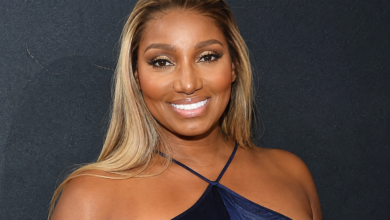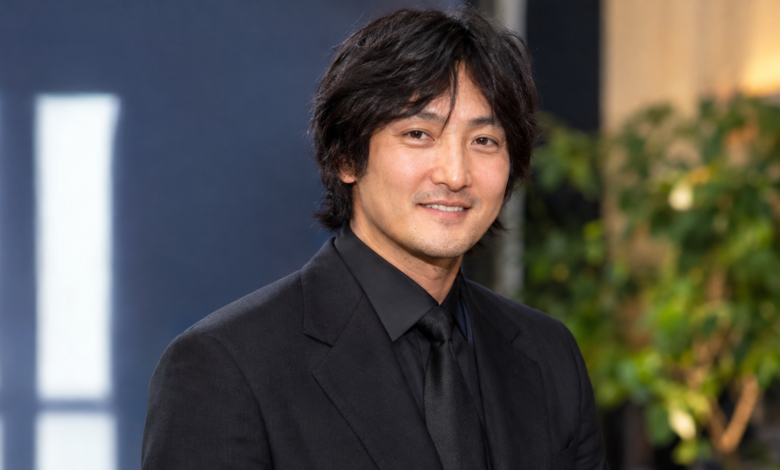
Seung Yong Chung is a name that attracts public interest because of his connection to the entertainment industry and his former marriage to actress Deborah Joy Winans? Accurate identification matters when researching people who share similar names, and readers looking for information about Seung Yong Chung deserve a clear account that separates publicly documented facts from speculation. The name is most commonly associated in entertainment coverage with Miki Yim, a fashion and hospitality professional, and actress and comedian Deborah Joy Winans is not the person associated with this story.
When exploring Seung Yong Chung, it is important to distinguish verified biographical information from assumptions about private matters. His professional background, reported family connections, relationship history, and limited public presence are all subjects readers may encounter in online searches. A reliable biography should explain what is known, identify where public information is limited, and avoid presenting unconfirmed claims as established facts.
This article examines the available context surrounding Seung Yong Chung, including his public identity, career-related associations, personal life, and the reasons his name continues to attract online attention. It also explains how readers can assess biographical information responsibly when a person maintains a relatively low public profile.
Who Is Seung Yong Chung?
Seung Yong Chung is a Korean American business executive best known for co-founding Cashmere Agency, a Los Angeles-based creative marketing company. George Washington University identifies him as the agency’s co-founder and chief executive officer and lists his graduate qualification as an MS earned in 1995. These institutional details provide a stronger starting point for his biography than unverified claims repeated across celebrity websites.
Interest in Seung Yong Chung comes from two overlapping areas: his work in marketing and his former marriage to actress Diane Farr. These subjects explain why his name appears in both business-related searches and entertainment biographies. Understanding the distinction is essential because his professional accomplishments can be examined independently of his personal relationships, while details that have not been reliably documented should remain unconfirmed.
Seung Yong Chung Biography at a Glance
A quick biographical overview helps readers understand the central facts without having to navigate multiple articles. The most dependable starting points are institutional references, identifiable professional roles, and clearly attributed reporting. Some frequently repeated details about his childhood, precise birth date, and personal finances are less consistently supported by primary sources.
| Biographical detail | Available information |
| Full name | Seung Yong Chung |
| Profession | Business executive and marketing entrepreneur |
| Known for | Co-founding Cashmere Agency |
| Leadership position | Co-founder and CEO, as listed by George Washington University |
| Education | MS, George Washington University, 1995 |
| Professional field | Creative marketing, brand strategy, and business development |
| Business association | Cashmere Agency |
| Entertainment connection | Former marriage to actress Diane Farr |
| National and cultural background | Often described in secondary biographies as Korean American |
| Public profile | Primarily professional rather than entertainment-focused |
| Exact net worth | No verified public figure established here |
| Current private-life details | Should be confirmed through reliable, current sources |
The table separates institutional information from biographical details that commonly appear in secondary coverage. For Seung Yong Chung, this distinction matters because an attractive biography is not necessarily an accurate one, particularly when it includes exact financial figures, family information, or dates that are difficult to verify.
Early Life and Cultural Background
The early life of Seung Yong Chung receives considerable attention in online biographies, many of which describe him as having Korean roots and a connection to the United States. Such descriptions provide broad cultural context, but detailed accounts of his childhood, parents, early ambitions, and upbringing should not be treated as established facts without reliable supporting documentation. A responsible biography acknowledges the difference between commonly repeated information and a verified personal history.
Cultural background can be relevant to understanding a career in multicultural marketing, but it should not be used to invent a personal narrative. A person’s heritage does not automatically explain their business decisions, leadership style, or professional success. In the case of Seung Yong Chung, his documented executive role provides a firmer basis for discussing his career than unsupported stories about what motivated him as a child.
Education and Academic Background
George Washington University provides an important institutional connection in the biography of Seung Yong Chung. Its official event listing identifies him as an alumnus with an MS from 1995 and names his role at Cashmere Agency. This offers a credible reference point for his academic background and demonstrates a professional connection that can be independently checked.
Education is often presented in biographies as a simple list of qualifications, but its significance becomes clearer when considered alongside later work. Business leadership can involve financial planning, strategic decisions, client relationships, team management, and the practical execution of creative ideas. Although it would be speculative to attribute particular skills to a specific degree without further evidence, the combination of graduate education and executive responsibility provides useful context for understanding his professional profile.
From Corporate Experience to Entrepreneurship
Secondary biographies describe Seung Yong Chung as having experience in corporate and business environments before building his agency career. Some specifically mention Ernst & Young and NextLinx Corporation, although readers should consult reliable professional records before treating every reported position or employment date as definitively established. The strongest approach is to regard these details as claims requiring corroboration rather than automatically repeating them as facts.
The broader transition from corporate work to entrepreneurship is nevertheless a useful way to understand the kind of business challenges associated with agency leadership. Building a marketing company requires more than creative concepts: it also involves pricing services, managing operating costs, developing client relationships, recruiting talent, and delivering work within deadlines. These responsibilities help explain why executive leadership in a creative business can require a combination of commercial discipline and cultural understanding.
Cashmere Agency and Its Business Focus
Cashmere Agency is the central professional association in the public biography of Seung Yong Chung. The company is known for creative marketing, with an emphasis on connecting brands and entertainment projects to audiences through culturally relevant ideas. Its work sits at the intersection of advertising, entertainment, communications, and contemporary culture, areas in which businesses increasingly compete for attention across multiple platforms. George Washington University identifies Chung as the company’s co-founder and CEO.
The agency’s focus reflects a wider shift in marketing: audiences do not respond only to product features or traditional advertising messages. They also pay attention to storytelling, representation, music, community, and the cultural context in which a campaign appears. A creative agency must therefore understand both the commercial objective and the audience’s expectations. This industry context helps explain why Cashmere Agency is relevant when examining Seung Yong Chung’s professional identity, even when detailed information about individual campaigns or his personal contributions is not available.
What Makes Culture-Driven Marketing Different?
Culture-driven marketing starts with a question that conventional advertising can sometimes overlook: why would a particular audience care about this message? Rather than treating consumers as a single, uniform group, the approach considers their interests, communities, media habits, entertainment preferences, and cultural references. For an agency such as Cashmere, this orientation offers a way to develop campaigns that feel relevant to specific audiences while still serving a brand’s commercial goals.
Consider a hypothetical entertainment launch aimed at younger viewers who discover films through short videos, music, creators, and online communities. A conventional campaign might focus primarily on trailers and paid advertisements. A culture-led campaign could combine those assets with community partnerships, platform-specific storytelling, and conversations already taking place among prospective viewers. This example illustrates the industry context surrounding Seung Yong Chung’s work; it is not a claim about a particular campaign he personally created.
Seung Yong Chung’s Leadership Role
The title listed by George Washington University is explicit: “Co-Founder & CEO, Cashmere Agency.” That description establishes his executive position, although it does not independently document every operational decision, campaign, or company milestone associated with his tenure.
A chief executive in a creative agency generally has to balance several priorities. The business needs a clear direction, a sustainable financial model, talented employees, credible client relationships, and a consistent standard of delivery. Creative ambition must also be matched with commercial results, because clients invest in marketing to achieve specific objectives. These are common responsibilities associated with agency leadership, rather than a verified list of Chung’s individual daily duties.
The Role of Brand Strategy in His Industry
Brand strategy connects a company’s identity with the way its intended audience understands and remembers it. This can involve defining a distinctive message, deciding which audiences matter most, selecting appropriate communication channels, and determining how success should be measured. For a marketing agency, strategy is the foundation that connects creative concepts to business outcomes instead of allowing campaigns to become a collection of attractive but disconnected advertisements.
For readers researching Seung Yong Chung, this distinction helps clarify the business environment in which he operates. A strong campaign must do more than generate temporary attention; it should support the client’s wider objectives and remain consistent with the brand’s identity. For example, a company entering a new market might need a different message from one trying to strengthen loyalty among existing customers. Understanding those differences is part of the broader professional context of creative marketing leadership.
The Importance of Multicultural Marketing
Multicultural marketing recognizes that different communities may have distinct languages, traditions, media preferences, and relationships with brands. Effective campaigns take those differences seriously without reducing people to stereotypes. They combine audience research with creative decisions that respect the diversity within a community, rather than assuming that everyone who shares an ethnicity or background has identical tastes.
This field is relevant to the public profile of Seung Yong Chung because Cashmere Agency is associated with culturally informed creative marketing. The wider industry lesson is that representation works best when it is supported by thoughtful research, appropriate collaborators, and an understanding of the audience’s real concerns. Businesses that treat culture as a superficial visual theme may produce messages that feel artificial, while those that listen to audiences can create more meaningful connections.
How Digital Media Has Changed Creative Agencies
Digital platforms have transformed the way marketing agencies plan and distribute campaigns. Instead of relying exclusively on television, print, or large-scale advertising placements, brands can now combine video, social media, creator partnerships, streaming content, and interactive experiences. This gives marketers more opportunities to reach niche audiences, but it also increases competition for attention and makes campaign planning more complex.
For an agency executive, these changes create a need to balance creativity with measurement. Views, engagement, website visits, conversions, audience sentiment, and long-term brand recognition can all provide useful information, depending on the campaign’s objective. The challenge is selecting metrics that reflect genuine business value rather than treating every visible online reaction as proof of success. This industry perspective helps explain the changing environment surrounding Seung Yong Chung’s professional field without attributing unverified performance statistics to him.
The Business Challenges Behind Agency Growth
Growing a creative agency involves a different set of pressures from those faced by a single freelancer or a small project team. A company must maintain a pipeline of clients, manage staffing requirements, protect margins, establish reliable workflows, and ensure that its creative standards remain consistent as the volume of work increases. Growth can bring new opportunities, but it can also introduce more complicated management decisions and greater operational risk.
The experience of agency businesses generally shows why commercial systems matter. A team may produce an excellent concept, yet still struggle if its budget is unrealistic, its responsibilities are unclear, or its delivery process cannot accommodate client feedback. Successful management requires a structure that allows creative employees to do their best work while meeting financial and operational commitments. These considerations provide useful context for evaluating Seung Yong Chung as an executive rather than focusing exclusively on the celebrity associations that often drive online searches.
Professional Reputation and Public Recognition
Professional reputation is built through a combination of identifiable responsibilities, consistent work, business relationships, and the credibility of the organizations with which a person is associated. In Chung’s case, the George Washington University listing provides a concrete reference to his executive role at Cashmere Agency. That institutional record is more useful for establishing professional identity than unsupported praise or generic descriptions of someone as a visionary or industry legend.
Recognition can also take different forms across industries. Actors and performers often receive attention through screen credits, interviews, awards, and public appearances, while executives may be known primarily through company leadership, industry partnerships, or professional networks. The relative lack of entertainment-style publicity around a business executive does not automatically indicate a lack of professional activity. It simply means that the available evidence may be concentrated in a different set of sources.
Seung Yong Chung and Diane Farr
Seung Yong Chung is frequently searched alongside Diane Farr, the American actress and writer known for television work including Numb3rs and Rescue Me. Their former marriage connects his name to entertainment coverage, while his business career provides a separate professional identity. The relationship is a relevant part of his public biography, but it should not be treated as the sole explanation for his professional accomplishments.
When researching their relationship, it is helpful to distinguish information that has been publicly reported from details that remain private or inconsistently documented. A reliable article can explain why the two names appear together without speculating about the causes of their relationship changes, their private conversations, or their personal feelings. Those matters should not be presented as established facts unless the individuals themselves have publicly addressed them or reliable reporting provides clear evidence.
Marriage and Relationship History
The former marriage between Seung Yong Chung and Diane Farr is one of the most common reasons readers search for his name. Online biographies have reported that the couple married in 2006, but details of their relationship should be cross-checked against credible sources rather than copied from pages that repeat one another without citing original evidence. The distinction between a widely repeated date and a primary-source confirmation is especially important in celebrity biographies.
Relationship histories are often reduced to a few dates, a wedding, and a separation. In reality, these are personal experiences that may involve circumstances neither person has chosen to make public. A thoughtful profile can provide the relevant publicly available context while resisting the temptation to invent a dramatic narrative. For Seung Yong Chung, this means acknowledging the former marriage while keeping attention on documented professional information and respecting the boundaries of his private life.
Family Life and Children
Some online biographies report that Seung Yong Chung and Diane Farr have three children. Because information about children involves people who may not have chosen a public profile, responsible coverage should avoid unnecessary personal details and should not treat every claim found on entertainment websites as independently verified. Where an exact detail cannot be confirmed through a reliable source, it is better to identify the limitation than to fill the gap with assumptions.
Family life also illustrates the difference between public interest and public entitlement. Readers may reasonably want to understand the broad context of a public figure’s biography, but that does not mean that children’s private lives, family routines, schooling, or current whereabouts belong in a general profile. A careful article can acknowledge reported family connections without disclosing sensitive information or turning relatives into subjects of unnecessary speculation.
Balancing Business and Personal Privacy
Many executives maintain a clear separation between their working lives and their personal relationships. This can make their biographies appear incomplete compared with those of actors, musicians, and social media personalities whose professions involve regular public exposure. Yet limited publicity is not itself evidence of secrecy, controversy, or a lack of achievement; it may simply reflect a preference for keeping personal matters outside professional communication.
For Seung Yong Chung, this separation is especially relevant because searches about his name often combine corporate information with entertainment-related questions. Readers benefit from keeping those subjects distinct: professional roles can be assessed through institutional and business records, while personal matters should be described only to the extent supported by credible public information. This approach produces a more balanced account and reduces the risk of spreading misleading claims.
Public Image and Media Coverage
A person’s public image is shaped not only by what they do but also by the sources that discuss them. An executive who rarely gives interviews may be represented online mainly through short business profiles, event listings, and articles about family connections. Those sources can be useful, but their value depends on whether they identify evidence, distinguish fact from interpretation, and update information when circumstances change.
The online profile of Seung Yong Chung illustrates a broader problem in digital publishing. Once a claim appears on one website, other pages may repeat it without independently checking it. Over time, repetition can create the impression of certainty even when the original evidence is weak. Readers should therefore examine the source of a statement, check whether the same wording appears elsewhere, and give greater weight to direct institutional records or credible reporting that explains how its information was obtained.
Seung Yong Chung’s Net Worth and Financial Background
Interest in Seung Yong Chung’s net worth reflects a common pattern in searches about business executives and people connected to celebrities. Readers want to understand how an entrepreneur’s career may translate into financial success. However, a reliable estimate requires more than knowing someone’s job title, company affiliation, or reported business experience.
No independently verified personal net-worth figure is established by the institutional source used for this profile. A chief executive’s financial position may depend on ownership interests, compensation, investments, liabilities, taxes, and other factors that are not necessarily public. Company revenue, if available, would not be equivalent to personal wealth, and an agency’s commercial success would not establish how much money an individual owns.
What Determines an Entrepreneur’s Wealth?
Entrepreneurial wealth can come from several sources, including ownership stakes, salary, performance-based compensation, investments, and proceeds from the sale of a business. The relative importance of each source depends on the company’s structure, the individual’s ownership percentage, contractual arrangements, and the financial obligations attached to any assets. Without reliable documentation, calculating a person’s net worth from these variables would be speculative.
In evaluating Seung Yong Chung’s financial profile, the most useful distinction is between confirmed professional standing and unverified financial claims. A credible estimate would require trustworthy information about assets and liabilities or a clearly explained methodology supported by dependable evidence. Numbers published without that foundation should be treated cautiously, even when they appear precise or are repeated across multiple websites.
Career Lessons From the Creative Marketing Industry
The business environment associated with Seung Yong Chung offers several useful lessons for anyone interested in entrepreneurship. First, creative work must be supported by a sustainable operating model. A marketing company needs talented people and strong ideas, but it also needs pricing discipline, reliable delivery systems, financial planning, and long-term client relationships. These operational foundations help creative organizations remain viable beyond individual projects.
Second, cultural relevance requires genuine understanding rather than superficial imitation. Brands can attract attention by referencing popular music, entertainment, or online trends, but those references do not automatically create trust. Agencies need to understand why a trend matters to the intended audience and whether a brand has a credible role in the conversation. These principles apply broadly to modern marketing and provide meaningful context for understanding Chung’s professional field.
How to Evaluate His Professional Achievements
Evaluating an executive’s career requires more than collecting positive descriptions from online biographies. Useful evidence includes official leadership listings, documented company milestones, credible interviews, recognized industry coverage, and verifiable examples of work. Where possible, readers should look for sources that explain the person’s specific contribution rather than merely associating them with a company or project.
For Seung Yong Chung, the institutional record confirming his Cashmere Agency leadership provides a solid starting point. More detailed judgments about the scale of his influence, particular campaign results, or the financial performance of the agency would require additional evidence. A strong biography should make that distinction visible instead of using general praise as a substitute for measurable accomplishments.
Common Misconceptions About Seung Yong Chung
One common misconception is that a person known through a celebrity relationship must primarily be understood through that relationship. In reality, an executive’s professional work may have a separate history, purpose, and set of achievements. Chung’s connection to Diane Farr explains a significant portion of public curiosity, but his role at Cashmere Agency is independently relevant to understanding his career.
Another misconception is that every detail in a search result is confirmed simply because several pages repeat it. This is especially risky with exact birth dates, family histories, net-worth estimates, and descriptions of personal relationships. Repetition is not the same as independent verification. Readers seeking an accurate biography should prioritize identifiable evidence, distinguish reported claims from confirmed facts, and accept that some details may not be publicly established.
Why Seung Yong Chung Continues to Attract Search Interest
Search interest in Seung Yong Chung can be understood through the overlap between business and entertainment. People who discover his name through Diane Farr may want to learn about his professional background, while readers interested in marketing may encounter him through Cashmere Agency. Each search pathway leads to a different part of the same public identity.
Online curiosity can also grow when information about someone is limited. When an individual does not maintain a highly visible public persona, readers may turn to biographies that attempt to answer questions about education, family, career, and finances. That creates an opportunity for high-quality publishing: instead of filling gaps with speculation, an authoritative article can explain what is known, clarify uncertainty, and direct readers toward stronger sources.
The Importance of Accurate Biographical Research
A trustworthy biography should help readers understand a person without creating an artificial sense of completeness. This means separating institutional facts from secondary reporting, attributing claims when appropriate, and acknowledging information that cannot be confirmed. It also means avoiding misleading headlines that promise definitive answers about private matters when the underlying evidence is incomplete.
The same standards are valuable for publishers creating search-focused content. Accuracy, clear structure, useful context, and transparent sourcing can make an article more valuable than a longer page filled with repeated phrases. For a profile such as this one, the objective should be to answer the reader’s central questions while preserving the distinction between public record and private life.
Frequently Asked Questions About Seung Yong Chung
Who is Seung Yong Chung?
Seung Yong Chung is a business executive best known for co-founding Cashmere Agency, where George Washington University lists him as CEO. He is also widely associated with actress Diane Farr through their former marriage.
What does Seung Yong Chung do for a living?
Seung Yong Chung is associated with creative marketing and agency leadership. George Washington University’s public listing identifies him as the co-founder and CEO of Cashmere Agency, a company associated with culturally relevant marketing.
What is Seung Yong Chung known for?
Seung Yong Chung is known for his executive role at Cashmere Agency and his connection to Diane Farr. His professional identity is rooted in marketing and business leadership, while his former marriage explains much of the public interest in his personal biography.
Is Seung Yong Chung married to Diane Farr?
Seung Yong Chung and Diane Farr have been described in published biographies as formerly married. They are not accurately described as a currently married couple on the basis of that historical relationship.
Does Seung Yong Chung have children?
Some published biographies report that Seung Yong Chung and Diane Farr have three children. Detailed information about their children should be treated respectfully, and claims should be checked against reliable sources before being presented as definitive.
Where did Seung Yong Chung study?
George Washington University’s event listing identifies Seung Yong Chung as an alumnus with an MS from 1995. This is a useful institutional reference for his educational background.
What is Cashmere Agency?
Cashmere Agency is a creative marketing agency associated with culturally relevant brand communication and entertainment marketing. It is central to Seung Yong Chung’s public professional identity because George Washington University lists him as its co-founder and CEO.
What is Seung Yong Chung’s net worth?
A verified personal net-worth figure has not been established in the sources used for this article. Estimates should be treated cautiously unless supported by credible financial reporting or reliable information about assets, liabilities, and ownership interests.
Is Seung Yong Chung an actor?
Seung Yong Chung is primarily known as a business executive, not as a film or television actor. His association with the entertainment industry is connected to marketing and his personal relationship with actress Diane Farr rather than a documented acting career.
Why is Seung Yong Chung searched online?
Seung Yong Chung attracts search interest because of his leadership role at Cashmere Agency and his former marriage to Diane Farr. Readers often seek a single resource that explains his career, education, family connections, and the difference between verified facts and online speculation.
Conclusion
Seung Yong Chung’s public biography brings together entrepreneurship, creative marketing, and a connection to the entertainment industry. The clearest documented professional detail is his role as co-founder and CEO of Cashmere Agency, as listed by George Washington University. His former marriage to Diane Farr also explains why readers frequently search for information about his personal background. Together, these subjects provide a useful overview of his public identity without requiring speculation about private matters.
The most reliable way to understand Seung Yong Chung is to distinguish verified professional information from details that remain uncertain. His career offers a starting point for exploring the relationship between business strategy, cultural relevance, and modern marketing, while his personal life deserves the same careful treatment given to any individual outside the public spotlight. For readers and publishers alike, accuracy, transparent sourcing, and respect for privacy are more valuable than unsupported claims or exaggerated biographical details.
YOU MAY ALSO READ