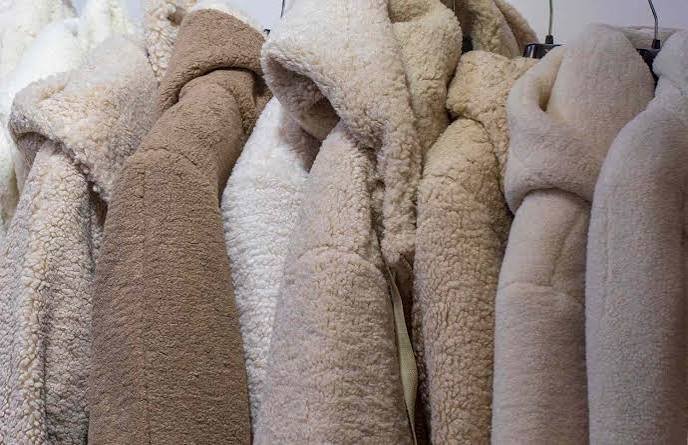
Soft jackets attract a lot of casual opinions. Some people swear that fleece is the only layer they need. Others dismiss sherpa as a fashion trend with no real warmth. Many of these beliefs get passed along because they sound sensible, not because anyone tested them.
Sorting fact from habit matters, because the wrong assumption leads to the wrong jacket. You end up cold on a windy day, sweaty on a mild one, or replacing a garment that was ruined by a careless wash.
Here are five common myths about fleece and sherpa jackets, with practical corrections for each.
Myth One: Fleece Is Warm Enough for Any Winter Day
Fleece has a reputation as a cure-all, partly because it feels so cozy the moment you put it on.
What Is Actually True
Fleece is a soft, brushed fabric that traps small pockets of air, which makes it warm for its weight. That is a real strength. Its weakness is wind. The open, fuzzy structure lets a strong breeze pass through, so a fleece worn alone on a blustery day can feel far colder than the temperature suggests.
The practical fix is simple. Wear fleece as a mid-layer under a wind-resistant shell when it is gusty, and wear it alone when the air is still or the day is mild.
Choosing With This in Mind
Fleece suits activities where you are moving, since movement generates heat. Teams, clubs, and organizations that want a comfortable everyday layer often explore a wholesale Fleece Jacket range to keep sizing and color uniform across the group. Pairing it with a light shell for windy days covers the one situation where fleece alone falls short.
Myth Two: Sherpa Is Only a Fashion Fabric
Because sherpa has a fluffy, shearling-like look, some people assume it must be purely decorative.
What Is Actually True
Sherpa is a pile fabric, which means its surface is made of many raised fibers. Those fibers trap a generous amount of air, and trapped air is what slows heat loss. The same property that gives sherpa its distinctive look also gives it real warmth, particularly when you are sitting or standing still.
It does have trade-offs. Sherpa is bulkier than basic fleece and takes up more space in a bag. It is also less suited to vigorous activity, where it can feel too warm quickly.
Choosing With This in Mind
Sherpa works well for relaxed settings, such as evenings at home, short walks, and casual outings in cold weather. Shops preparing a seasonal range often look at a wholesale Sherpa Jacket selection, and checking a sample for pile evenness and softness is a sensible step before a larger order. A soft, even surface suggests careful construction.
Myth Three: Thicker Always Means Warmer
It is natural to assume that a bulkier jacket must be the warmest one. In practice, thickness and warmth are related but not identical.
What Is Actually True
Warmth depends on how well a garment traps still air and how well it blocks wind. A thick, loosely structured fabric can still leak heat, while a thinner layer with good coverage and snug edges can hold warmth effectively. Fit matters too. A jacket that is too tight compresses the air spaces that provide insulation.
A Better Test
Rather than judging by thickness, look at the whole design. Check whether the collar closes comfortably, whether the cuffs and hem hold against the body, and whether the zipper seals well. These details often decide whether a jacket performs in cold air.
Myth Four: You Can Wash Any Soft Jacket the Same Way
Soft fabrics are easy to love and easy to ruin. Many people toss them in with everything else and hope for the best.
What Is Actually True
Fleece and sherpa both have delicate surfaces. High heat can flatten or damage the fibers, and fabric softener can coat them and reduce their softness over time. Rough washing can also cause pilling, which is the small balls of fiber that appear on worn fabric.
Simple Care Habits
Check the care label first, since constructions vary. Wash on a gentle cycle with mild detergent, zip the jacket beforehand, and avoid fabric softener. Dry on low heat or let it air dry. For sherpa, shake the jacket out and fluff the pile once dry to restore its texture.
Washing similar items together, and keeping them away from rough materials such as jeans with exposed zippers, helps protect the surface.
Myth Five: Soft Jackets Do Not Suit Smart Settings
Many people reserve fleece and sherpa for the weekend and assume they have no place anywhere more formal.
What Is Actually True
Context and styling matter more than fabric alone. A clean, well-fitted zip-front fleece in a solid, neutral color can look neat over a simple shirt in a relaxed workplace. A sherpa jacket in a muted shade can suit casual-smart outfits when paired with dark trousers and tidy shoes.
Of course, some environments have specific dress expectations, and a soft jacket will not suit all of them. The point is that texture does not automatically rule a jacket out.
Making Them Look Intentional
A few small choices help soft jackets look deliberate:
- Choose neutral colors such as navy, charcoal, black, or cream.
- Keep the fit clean, with a hem that sits neatly and sleeves that do not swamp the hands.
- Check for pilling and wear, since a worn surface looks untidy.
- Pair with simple basics so the texture is the only statement.
What These Myths Have in Common
Looking back, most of these mistaken beliefs share a pattern. They treat a jacket as a single, fixed object with one level of warmth, one use, and one care method. Real garments are more nuanced.
Think in Terms of Situations
Ask what you will be doing, how windy it will be, and how long you will stay in one place. A still, cold evening favors sherpa. A moving, mild day favors fleece. A windy day favors a shell over either.
Think About the System
Jackets work best as part of a layered setup. A base layer manages moisture, a soft jacket holds warmth, and a shell handles wind and light rain. Each part makes the others more effective.
A Quick Buying Checklist
Before you choose, run through a few questions:
- How active will I be? More movement favors lighter fleece.
- How windy is it likely to be? Plan a shell if the answer is very.
- Will I be mostly still? Sherpa’s thicker pile suits that.
- Does it fit over my usual layers? Test it with a base layer.
- Is the surface even and well finished? Check pile, seams, and zipper.
- Do I know how to wash it? Read the label before committing.
Conclusion: Replace Habit With Observation
Myths survive because they are convenient. It is easier to say that fleece is always enough, or that sherpa is only for show, than to think about the conditions you are dressing for. Yet a little observation pays off quickly.
Fleece is light, flexible, and well suited to movement, though it needs help against wind. Sherpa is plush and warm for still moments, though it is bulkier. Neither is better in every situation, and both last longer with gentle care. Choose each for what it does well, and the jackets will repay you through the whole cold season.