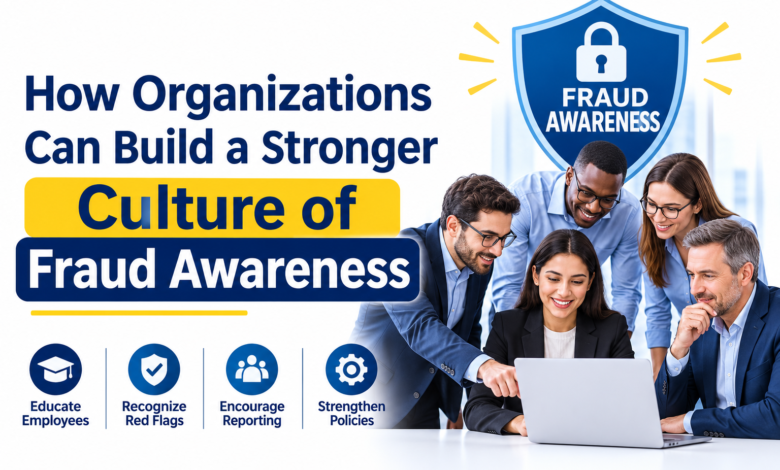
Financial fraud continues to create serious challenges for businesses, financial institutions, and organizations across different industries. As digital transactions increase, fraudsters are developing more sophisticated methods to exploit weak internal controls, employee mistakes, and gaps in security processes. Preventing these activities requires more than advanced technology. Organizations must also create a workplace culture where employees understand financial risks and know how to recognize suspicious behavior.
During Fraud Awareness Week, organizations have an opportunity to educate employees, review existing procedures, and strengthen their approach to financial crime prevention. Building awareness across every department can help businesses identify potential threats earlier and reduce the impact of fraudulent activities.
Why Fraud Awareness Should Be a Business Priority
Fraud can occur in several forms, including identity theft, payment manipulation, account takeover, employee embezzlement, and money laundering. These activities can damage an organization’s finances, reputation, and customer relationships. Even businesses with established security systems may remain vulnerable if employees do not understand how fraud schemes operate.
A strong awareness culture encourages employees to question unusual requests, verify sensitive information, and report suspicious activities. When fraud prevention becomes a shared responsibility, organizations can reduce their dependence on individual compliance teams and create stronger internal safeguards.
The Role of Employee Education in Fraud Prevention
Employees are often the first people to encounter unusual transactions, suspicious emails, or unexpected changes in customer behavior. However, without proper training, they may overlook warning signs or fail to understand the importance of reporting them.
Organizations should provide regular training sessions that explain common fraud techniques and practical prevention measures. Real-world examples can help employees understand how criminals exploit business processes. Training should also be relevant to different job responsibilities, ensuring that finance teams, customer support representatives, and compliance professionals understand the risks associated with their roles.
How Organizations Can Develop a Stronger Fraud Awareness Culture
Building awareness requires consistent communication, practical training, and clear internal procedures. Organizations can strengthen their approach through several measures:
- Conduct regular training programs: Educate employees about phishing, identity theft, payment fraud, and suspicious financial activities through practical learning sessions.
- Encourage internal reporting: Establish clear channels where employees can report unusual behavior without fear of unnecessary criticism or retaliation.
- Strengthen internal controls: Introduce approval procedures, transaction verification, and access restrictions to reduce opportunities for fraudulent activities.
- Share real-world fraud examples: Discuss relevant incidents and explain how employees can recognize similar warning signs in their daily responsibilities.
- Review fraud prevention policies: Regularly evaluate internal procedures to identify weaknesses and address emerging threats.
These measures help make fraud prevention part of everyday business operations rather than an occasional compliance activity.
How AML and Fraud Detection Work Together
Money laundering and financial fraud are closely connected because criminals may use fraudulent transactions, false identities, and complex financial arrangements to conceal illegal proceeds. As a result, organizations need coordinated approaches that address both financial crime risks.
AML and fraud detection processes can complement each other by helping financial institutions identify unusual activities, investigate suspicious patterns, and understand customer risk. While fraud prevention focuses on identifying deceptive activities and unauthorized transactions, AML controls help detect attempts to disguise the origins of illegally obtained funds.
Combining these capabilities allows compliance teams to develop a broader understanding of financial threats. For example, repeated transactions involving unrelated accounts, unusual payment behavior, or inconsistent customer information may require further investigation.
Using Technology to Improve Fraud Detection
Technology plays an important role in helping organizations identify suspicious activities more efficiently. Traditional monitoring methods often depend on manual reviews, which can become difficult to manage as transaction volumes increase.
Modern fraud detection systems can analyze transaction patterns, identify unusual behavior, and generate alerts for further investigation. Artificial intelligence and machine learning can also help organizations recognize patterns that may not be immediately visible through conventional monitoring methods.
However, technology alone cannot eliminate fraud risks. Organizations must combine automated monitoring with experienced investigators, effective policies, and regular employee education. This balanced approach improves the ability to recognize suspicious activity while reducing unnecessary operational delays.
Creating Accountability Across Every Department
Fraud prevention should not be limited to compliance and finance departments. Employees across sales, operations, customer service, and management may encounter situations that require careful verification or escalation.
Leadership also plays an important role in establishing accountability. Managers should communicate expectations clearly, support ethical decision-making, and ensure employees understand how internal reporting procedures work. When senior management takes fraud prevention seriously, employees are more likely to follow established controls.
A transparent reporting environment also helps organizations identify weaknesses before they develop into larger financial or reputational problems.
The Importance of Continuous Fraud Risk Assessment
Fraud techniques continue to evolve alongside digital banking, payment technologies, and customer onboarding methods. Therefore, organizations should regularly assess whether their existing controls remain effective against emerging threats.
A structured approach to AML fraud detection can help compliance teams connect suspicious transaction patterns with broader financial crime risks. Regular reviews of customer information, transaction activity, and internal procedures can reveal potential vulnerabilities that require additional attention.
Organizations should also evaluate training effectiveness, investigate reported incidents, and update policies based on lessons learned. These activities ensure that awareness initiatives remain relevant rather than becoming one-time exercises.
Conclusion
Building a stronger culture of fraud awareness requires continuous employee education, effective internal controls, clear reporting procedures, and appropriate technology. International Fraud Awareness Week provides a useful opportunity for organizations to reinforce these practices and remind employees that preventing financial crime is a shared responsibility.
Solutions and resources from AML Watcher can also support financial institutions in strengthening their compliance processes through improved screening and transaction monitoring capabilities. By combining employee awareness with effective AML measures, organizations can develop a more proactive approach to identifying financial crime risks and protecting their operations.